Other selected work at Everlaw
At Everlaw, I've spent 6+ years designing for high-stakes litigation. Here’s a selection that shows my range: features I’ve owned, systems I’ve shaped, and ways I’ve made the team stronger.
Shipped as sole designer
I owned these features from 0 → 1: defining the problem, exploring solutions, and working directly with engineering to ship.
Designing generative AI search for deposition transcripts
Attorneys reviewing depositions often juggle testimonies from multiple witnesses across several days, which often consists of hundreds of pages with no clear thread. I designed a generative AI search experience that lets them ask questions across all transcripts at once, surfacing relevant excerpts with citations they can trust in court.
Reviewing chat documents in Everlaw
Chat exports from Slack, Teams, and WhatsApp don't look like chats. I redesigned how attorneys review them in Everlaw: messages grouped into threads, searchable by sender or date, with per-message redaction for privilege. This project took a year to design and has required 3+ years of engineering to build.
Enabling inverse redactions for spreadsheets
Spreadsheet redactions work at the cell level, so instead of marking which cells to hide, attorneys select what to keep. I designed inverse redactions to make this feel natural.
Strengthening the design language
Attorneys move faster when the interface is predictable. I contributed to the visual patterns that create that consistency, helping our design team ship faster too.
Visualizing email threads for review
An email's context in litigation is everything, but Everlaw's old view of email threads and families was difficult to understand. I designed a threaded view that keeps the whole email family together, so attorneys can trace a conversation without losing their place in review.
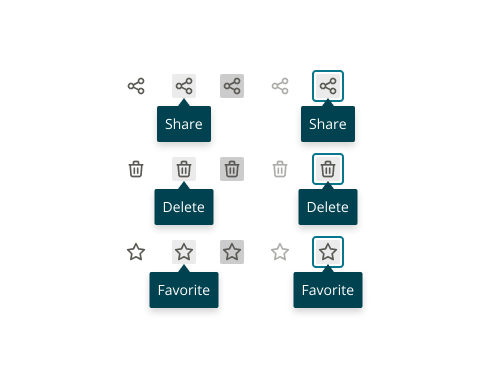
Design system components
During the refresh of Everlaw's design system, I redesigned foundational components for the platform, including a complete overhaul of 150+ icon buttons.
Shaping the team
Work that made the team stronger: processes, tools, and ways of working.
Leading company-wide Figma migration
In 2022, I led Everlaw's migration to Figma from Sketch across the entire company. I rebuilt the component library, wrote documentation for 100+ engineers, and ran onboarding sessions to get everyone working in the same tool.